

The short answer
Commercial glass takes abuse.
Storefront windows get scratched.
School glass gets marked.
Elevator panels get etched.
Public buildings get vandalized.
Retail glass gets tagged.
Glass doors get scraped by keys, bags, carts, equipment, and foot traffic.
The problem is not always broken glass.
Sometimes the glass is still intact, but the surface is damaged enough that it looks terrible or needs replacement.
That is where anti-graffiti film can make a lot of sense.
Anti-graffiti film is a clear, replaceable sacrificial layer installed over glass to help protect the original surface from scratches, etching, graffiti, tagging, abrasion, and vandalism.
If the film gets damaged, the damaged layer can be removed and replaced instead of replacing the entire glass panel.
At Kickin’ Customs in Raynham, MA, we install flat glass window film for commercial and residential customers across Massachusetts and Rhode Island, including anti-graffiti film, security film, solar control film, privacy film, and decorative film.
Anti-graffiti film is not about heat reduction or privacy.
It is about protecting expensive glass from surface damage.
Anti-graffiti film and its limits
What Is Anti-Graffiti Film?
Anti-graffiti film is a clear protective film installed onto glass or other approved smooth surfaces to act as a sacrificial layer.
Instead of a scratch, tag, acid mark, or abrasion damaging the glass directly, the damage affects the film first.
If the film becomes damaged, it can be replaced.
That is the entire point.
Glass replacement can be expensive, disruptive, and slow.
Film replacement is usually much easier.
For commercial properties, schools, elevators, storefronts, public buildings, and high-traffic areas, that difference can matter a lot.
Anti-graffiti film helps protect the surface you actually care about by taking the abuse itself.
Anti-Graffiti Film Is a Sacrificial Layer
The word “sacrificial” is important.
Anti-graffiti film is designed to be the layer that gets damaged.
It is not meant to last forever in every condition.
It is meant to protect the glass underneath.
If someone scratches the surface, etches it, marks it, or damages it, the film may need to be replaced.
That does not mean the film failed.
That means it did its job.
The goal is to replace the film instead of replacing the glass.
For busy commercial spaces, that can reduce repair cost, downtime, appearance issues, and frustration.
What Anti-Graffiti Film Helps Protect Against
Anti-graffiti film can help protect glass from several types of surface damage.
Common concerns include scratches, tagging, graffiti, acid etching, abrasion, key marks, vandalism, cart damage, tool marks, elevator panel damage, and general high-traffic wear.
It is especially useful where glass is touched, passed, bumped, leaned on, or exposed to public access.
A glass panel in a private office may rarely need anti-graffiti protection.
A glass door in a public entryway may need it badly.
The location matters.
The amount of traffic matters.
The risk of vandalism matters.
Anti-Graffiti Film Does Not Make Glass Unbreakable
Anti-graffiti film should not be confused with security film.
Anti-graffiti film protects the surface of the glass from scratching, etching, and vandalism.
Security film helps hold broken glass together after impact and delay entry.
Those are different goals.
Anti-graffiti film does not make glass unbreakable.
It does not provide the same forced-entry delay as a true security film.
It does not replace security film on storefronts where smash-and-grab theft is the main concern.
If the main concern is scratches and vandalism, anti-graffiti film is the right conversation.
If the main concern is impact and forced entry, security film is the right conversation.
Anti-Graffiti Film vs Security Film
Security film and anti-graffiti film both protect glass, but they protect it in different ways.
Security film is about glass retention.
It helps hold broken glass together after impact.
Anti-graffiti film is about surface protection.
It helps protect the glass face from scratching, etching, tagging, and abrasion.
A storefront worried about smash-and-grab entry may need security film.
An elevator with scratched glass panels may need anti-graffiti film.
A school with etched entry glass may need anti-graffiti film.
A public-facing storefront with both vandalism and forced-entry concerns may need a larger glass protection plan.
The right film depends on the problem.
Anti-Graffiti Film vs Solar Control Film
Solar control film is designed to reduce heat, glare, UV exposure, and fading.
Anti-graffiti film is designed to protect the glass surface from damage.
A hot office does not need anti-graffiti film just because it has glass.
A scratched storefront does not need solar film just because it is glass.
Sometimes a property may need both products in different areas.
For example, a sun-facing office may need solar control film on upper windows, while a public entrance may need anti-graffiti film on lower door glass.
The goal determines the product.
Anti-Graffiti Film vs Privacy Film
Privacy film controls visibility.
Anti-graffiti film protects the glass surface.
A frosted film can help provide privacy in a conference room, medical office, school, or bathroom area, but it is not automatically the right product for vandalism protection.
Anti-graffiti film is usually clear and designed to preserve the look of the glass while adding a replaceable protective surface.
If privacy and vandalism protection are both needed, the project should be reviewed carefully.
One product may not solve every goal.
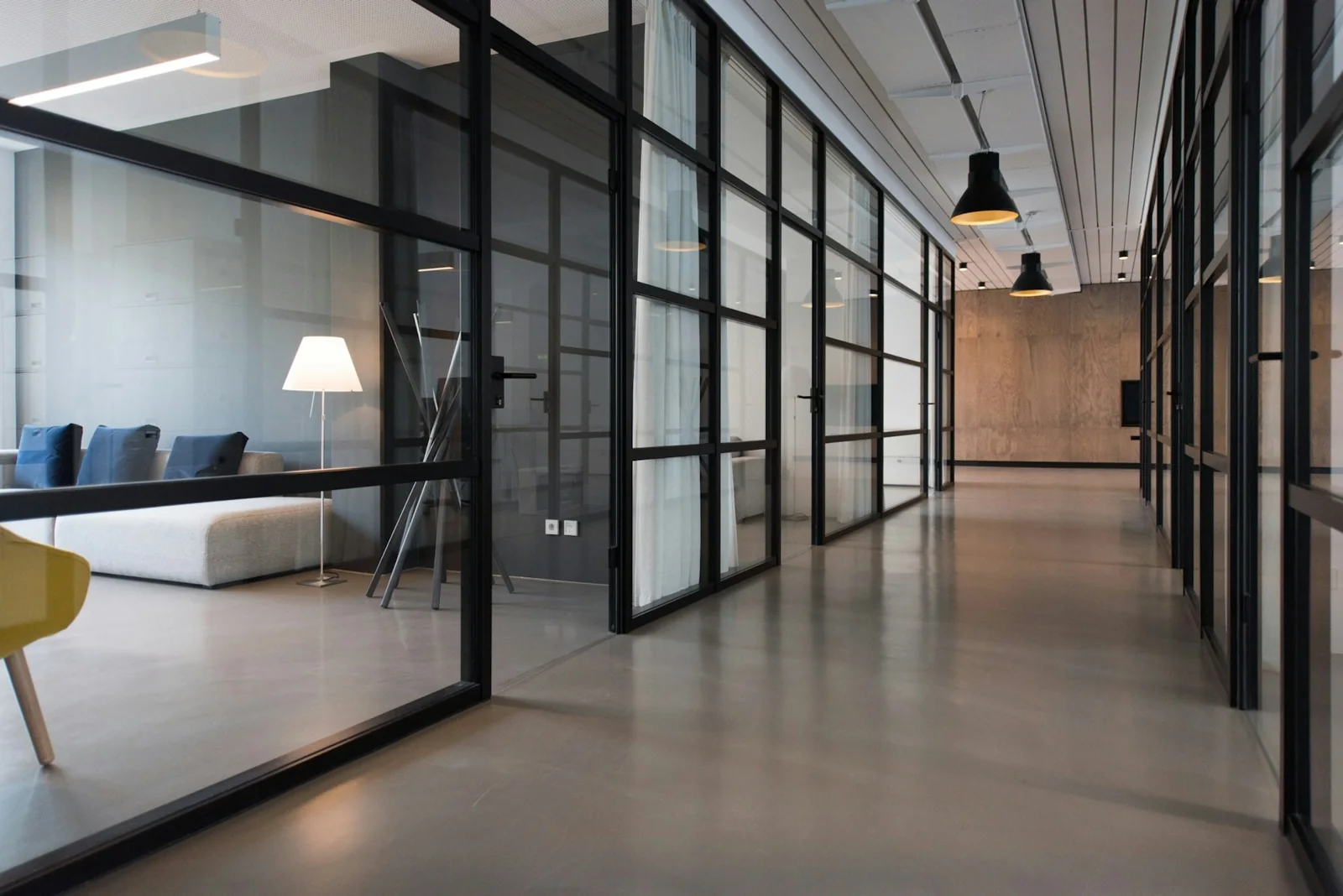
Glass and surfaces to protect
Why Commercial Glass Needs Anti-Graffiti Protection
Commercial glass is expensive.
Replacing a large glass panel can involve measurement, ordering, scheduling, removal, installation, downtime, and cleanup.
If the damage is only on the surface, replacing the entire glass panel can feel wasteful.
Anti-graffiti film helps reduce that problem.
When the film is scratched or vandalized, the film can be removed and replaced.
That can be much more practical than replacing the glass every time the surface gets damaged.
For property owners, this can turn a major repair into a simpler maintenance item.
Storefront Anti-Graffiti Film
Storefront glass is one of the most common places for anti-graffiti film.
A storefront is public-facing, visible, and often exposed after hours.
It may be scratched by keys, tagged, etched, or damaged by people walking by.
Even small scratches can make a storefront look neglected.
For retail businesses, restaurants, salons, offices, gyms, and showrooms, appearance matters.
Customers see the glass before they walk inside.
Anti-graffiti film helps protect that first impression.
If the film gets damaged, it can be replaced to restore a clean look without replacing the full glass panel.
Anti-Graffiti Film for Glass Doors
Glass doors take constant abuse.
People touch them, push them, kick them, bump them with bags, scrape them with keys, and hit them with carts or equipment.
Commercial entry doors, school doors, office doors, restaurant doors, and public building doors can all benefit from anti-graffiti film.
The lower sections of doors are especially vulnerable.
So are areas near handles, locks, and push plates.
Anti-graffiti film can help protect the visible glass surface and make future damage easier to correct.
For high-traffic entries, that is a practical upgrade.
Anti-Graffiti Film for Elevators
Elevators are one of the best applications for anti-graffiti film.
Elevator glass, mirrors, stainless trim, and decorative panels can be scratched, tagged, etched, or damaged by heavy use.
Replacing those surfaces can be expensive and disruptive.
Anti-graffiti film can act as a replaceable layer over approved surfaces so the building does not need to replace the original panel every time it gets damaged.
This is useful for apartment buildings, hotels, schools, hospitals, office towers, parking garages, public buildings, and mixed-use properties.
Elevators take abuse because they are enclosed, public, and used constantly.
Film helps protect the finish.
Anti-Graffiti Film for Schools
Schools have a lot of high-traffic glass.
Entry doors, classroom glass, interior partitions, office windows, display cases, hallway glass, vestibules, and stairwell areas can all be exposed to scratches, etching, and markings.
Anti-graffiti film can help protect those surfaces from student traffic, vandalism, accidental damage, and daily wear.
If a panel gets scratched, the film can be replaced instead of replacing the glass.
This can be especially useful in public-facing areas, entryways, bathrooms, hallways, and glass near high student traffic.
For schools, anti-graffiti film is a maintenance and appearance tool.
Anti-Graffiti Film for Public Buildings
Public buildings often have glass that sees constant traffic.
Libraries, town halls, municipal buildings, community centers, courthouses, recreation centers, and transit areas may all have glass exposed to the public.
That glass can be scratched, etched, tagged, or damaged over time.
Anti-graffiti film helps protect these surfaces while preserving a clear appearance.
For public buildings, this can reduce ongoing maintenance frustration.
Instead of replacing glass repeatedly, the damaged film can be replaced as needed.
That makes anti-graffiti film a practical option for high-use public spaces.
Anti-Graffiti Film for Medical Offices
Medical offices, dental offices, urgent care centers, hospitals, clinics, and professional buildings often have glass entries, reception windows, interior partitions, and elevator areas.
These spaces need to look clean and professional.
Scratched or etched glass can make the property feel worn or poorly maintained.
Anti-graffiti film can help protect glass in waiting rooms, entrances, lobbies, public corridors, and elevator areas.
It can also be useful where carts, wheelchairs, walkers, delivery equipment, and high foot traffic may contact glass.
A clean appearance matters in medical spaces.
Protecting glass helps maintain that appearance.
Anti-Graffiti Film for Offices
Office buildings may use anti-graffiti film on lobby glass, entry doors, elevator panels, conference room glass, interior partitions, and public-facing windows.
The need depends on access.
A private executive office may not need anti-graffiti protection.
A lobby elevator panel may need it constantly.
For office property managers, anti-graffiti film can be a smart way to maintain common areas and reduce replacement costs.
It is especially useful in buildings with public access, shared tenants, parking garage connections, or high visitor traffic.
Anti-Graffiti Film for Retail Stores
Retail stores need clean glass.
Scratched or tagged glass affects the customer’s first impression.
Anti-graffiti film can be installed on storefront windows, entry doors, display cases, glass counters, and other approved surfaces.
For stores in busy plazas, downtown areas, public walkways, or nightlife zones, vandalism risk may be higher.
A replaceable film layer can help protect the original glass and make cleanup easier after damage.
For retail, appearance and security both matter.
Anti-graffiti film supports the appearance side of glass protection.
Anti-Graffiti Film for Restaurants and Bars
Restaurants and bars often have large glass fronts, entry doors, mirrors, bathroom glass, vestibules, and decorative glass features.
These surfaces can be scratched, tagged, or damaged by high traffic and after-hours activity.
Anti-graffiti film can help protect the glass while keeping the space looking clean.
This is especially useful in downtown areas, busy plazas, nightlife areas, and locations with frequent pedestrian traffic.
For restaurants and bars, the benefit is simple:
Protect the glass customers see first.
Anti-Graffiti Film for Transit and Parking Areas
Transit areas and parking structures often see heavy public use.
Glass panels, elevator glass, stairwell glass, entry doors, ticketing areas, and walkway glass can be exposed to repeated vandalism.
Anti-graffiti film can help reduce the cost and disruption of repeated glass damage.
Instead of replacing glass, the damaged film can be replaced.
For property managers, transit operators, parking facilities, and public buildings, that can make maintenance more manageable.
These are exactly the kinds of spaces where sacrificial protection makes sense.
Anti-Graffiti Film for Display Cases
Display cases are often overlooked.
Retail display cases, school trophy cases, museum displays, office displays, product showcases, and public building cases can all be scratched or marked.
Anti-graffiti film can help protect the glass surface while keeping the view clear.
This is especially useful when the contents are valuable, visible, or part of a customer-facing display.
If the case gets scratched, replacing the film is usually easier than replacing the display glass.
Anti-Graffiti Film for Mirrors
Some anti-graffiti films can be used on approved mirror surfaces depending on the product and installation conditions.
This can be useful in elevators, bathrooms, gyms, locker rooms, schools, public buildings, and commercial spaces.
Mirrors are often scratched, etched, or tagged in high-traffic areas.
Replacing mirror panels can be expensive and disruptive.
A sacrificial film layer can help protect the surface.
Surface compatibility should always be confirmed before installation.
Not every surface is appropriate for every film.
Anti-Graffiti Film for Stainless and Smooth Surfaces
Some anti-graffiti applications involve approved smooth surfaces beyond glass, such as certain metal panels, elevator finishes, or smooth architectural surfaces.
This depends heavily on the film, surface type, and manufacturer guidance.
The key is compatibility.
Anti-graffiti film should not be applied blindly to every surface.
The installer should evaluate whether the surface is suitable, whether adhesion will be reliable, and whether removal later could create issues.
When used correctly, sacrificial film can help protect more than glass.
Damage, appearance and replacement
Why Replacement Is Easier Than Glass Repair
Glass scratches and acid etching are difficult to repair cleanly.
Polishing glass can distort the surface, create uneven appearance, or fail to fully remove damage.
Replacing glass can be expensive.
Anti-graffiti film changes the repair path.
If the film gets damaged, remove the damaged layer and install a new one.
That is often faster and less disruptive than glass replacement.
For commercial property owners, that can turn repeated vandalism into a manageable maintenance process.
The film is not permanent armor.
It is a replaceable protective skin.
Anti-Graffiti Film and Acid Etching
Acid etching is a common vandalism problem.
It can permanently damage glass by chemically marking or dulling the surface.
Once glass is etched, cleaning does not simply remove the damage.
Anti-graffiti film helps by placing a sacrificial layer over the glass.
If the film is etched, the film can be replaced.
The glass underneath has a better chance of staying protected.
This is especially useful in storefronts, schools, elevators, transit areas, bathrooms, public buildings, and high-vandalism locations.
Anti-Graffiti Film and Scratches
Scratches are one of the most common reasons to use anti-graffiti film.
Keys, rings, bags, tools, carts, cleaning equipment, vandalism, and daily traffic can all scratch glass.
Once scratched, glass may look permanently damaged.
Anti-graffiti film helps absorb that surface damage.
The film may show scratches over time, but that is expected.
When appearance becomes unacceptable, the film can be replaced.
That is much easier than replacing the original glass.
Anti-Graffiti Film and Tagging
Some vandalism involves markers, paint, stickers, or other surface contamination.
Anti-graffiti film can help protect the original glass from direct contact.
Depending on the material used, the film may be cleaned or replaced.
The value is that the glass underneath is protected from repeated abuse.
For storefronts and public-facing glass, this is especially helpful.
Repeated tagging can make a business or building look neglected.
A replaceable protective layer helps keep the property looking maintained.
Anti-Graffiti Film and Cleaning Damage
Not all glass damage is intentional.
Cleaning crews can damage glass with razor blades, abrasive pads, harsh chemicals, dirty cloths, or aggressive tools.
Anti-graffiti film can help protect glass from some surface abuse, but it also needs to be cleaned correctly.
If a cleaning crew uses a razor blade on filmed glass, they may damage the film.
That is still easier to replace than glass, but it is preventable.
Commercial property owners should make sure cleaners know film is installed.
Proper maintenance protects the film and extends its useful life.
Anti-Graffiti Film Is Usually Clear
Anti-graffiti film is typically designed to be optically clear.
The goal is to protect the glass without changing how the glass looks.
This is important for storefronts, elevators, display cases, offices, schools, public buildings, and retail spaces.
People still need to see through the glass.
The building still needs to look clean.
The film should not make the glass look dark, reflective, frosted, or branded unless another product is selected for that purpose.
Anti-graffiti film is usually about invisible protection.
Anti-Graffiti Film and Appearance
A clean installation should be difficult to notice.
The film should not distract from the glass, signage, displays, or interior space.
Edges should be clean.
The surface should look clear.
The installation should not create bubbles, contamination, or obvious defects.
That is why professional installation matters.
Anti-graffiti film is often installed in customer-facing areas.
If the film looks bad, it defeats part of the purpose.
The goal is protection without a sloppy appearance.
Anti-Graffiti Film and Cure Time
Like other window films, anti-graffiti film needs time to cure after installation.
During the curing period, there may be moisture, haze, or small visual changes as the film dries.
Cure time can vary depending on film thickness, glass type, temperature, humidity, sun exposure, and building conditions.
Customers should avoid cleaning the film too soon after installation.
They should also avoid picking at edges or trying to push out moisture.
The film needs time to settle properly.
Anti-Graffiti Film and Maintenance
Anti-graffiti film should be maintained with non-abrasive cleaning methods.
Use soft cloths, mild film-safe cleaners, and gentle techniques.
Avoid razor blades, abrasive pads, harsh chemicals, metal scrapers, and aggressive cleaning tools.
Cleaning crews should be told that the glass has film installed.
This is especially important for commercial buildings, schools, restaurants, public facilities, and offices where multiple people may clean the glass.
Good maintenance keeps the film looking better for longer.
When Anti-Graffiti Film Should Be Replaced
Anti-graffiti film should be replaced when damage affects appearance or function.
Common replacement reasons include deep scratches, acid etching, heavy tagging, peeling, gouges, cleaning damage, abrasion, or repeated vandalism.
The exact timing depends on the location.
A storefront may replace film quickly because customer appearance matters.
An elevator may replace film once visible damage becomes distracting.
A school or public building may replace film during scheduled maintenance.
The main advantage is that replacement is usually easier than replacing glass.
Anti-Graffiti Film and Warranty Expectations
Anti-graffiti film warranty terms are usually different from solar, security, or decorative film warranties.
Because anti-graffiti film is designed as a sacrificial layer, it may have shorter warranty coverage and different expectations.
Damage from vandalism is not the same as manufacturer defect.
The film is meant to take damage so the glass does not.
Customers should understand warranty terms before installation.
They should also understand that replacement after vandalism is a normal part of the product’s purpose.
Layered protection and property management
Anti-Graffiti Film Does Not Stop Vandalism
Anti-graffiti film does not stop someone from trying to vandalize the glass.
It does not prevent a person from scratching, tagging, marking, or damaging the surface.
It protects the original glass by taking the damage first.
That is a big difference.
The benefit is not that vandalism disappears.
The benefit is that the damage is easier to address.
For high-traffic commercial spaces, that can be a very practical result.
Anti-Graffiti Film Does Not Replace Security Film
Anti-graffiti film does not replace security film.
If the concern is smash-and-grab entry, glass breakage, or forced entry, security film should be discussed.
If the concern is scratching, etching, tagging, and surface vandalism, anti-graffiti film should be discussed.
Some properties may need both types of protection in different areas.
For example, a storefront may use security film on main entry glass and anti-graffiti film on exposed display cases or high-touch panels.
The right strategy depends on the risk.
Anti-Graffiti Film Does Not Replace Cameras
Anti-graffiti film protects the surface, but it does not identify who caused the damage.
Cameras can help document vandalism, break-ins, and suspicious activity.
For high-vandalism areas, anti-graffiti film and cameras work well together.
● The film reduces the cost of surface damage.
● The camera helps provide evidence.
● One protects the glass.
● The other documents the incident.
● A layered approach is stronger.
Anti-Graffiti Film Does Not Replace Good Lighting
Lighting can reduce vandalism risk by making activity more visible.
Anti-graffiti film helps protect the surface if damage happens.
For storefronts, public areas, schools, parking garages, and building entrances, lighting should still be part of the plan.
A dark area is more inviting for vandalism.
A well-lit area with cameras and sacrificial film is a stronger setup.
Film is a protection layer, not the entire property strategy.
Anti-Graffiti Film and Property Management
Property managers can benefit from anti-graffiti film because it simplifies maintenance planning.
Instead of treating every damaged glass panel as a replacement project, the property can treat damaged film as a replaceable layer.
That helps with budgeting, scheduling, and building appearance.
It is especially useful in buildings with repeated vandalism, elevator damage, public entryways, tenant turnover, delivery traffic, and high daily use.
Anti-graffiti film turns glass protection into a maintenance system.
That is valuable for managed properties.
Anti-Graffiti Film and Business Image
Damaged glass sends a message.
Even if the business is clean inside, scratched or etched storefront glass can make the property look neglected.
Customers notice entry glass, display windows, doors, mirrors, and lobby areas.
Anti-graffiti film helps preserve that appearance by protecting the original glass and allowing damaged film to be replaced.
For retail, restaurants, offices, schools, gyms, and public buildings, appearance matters.
Glass is part of the first impression.
Protecting it is part of maintaining the property.
Anti-Graffiti Film for High-Traffic Touch Points
Some glass areas get touched constantly.
Entry doors.
Push areas.
Elevator panels.
Display cases.
Reception windows.
School doors.
Public corridor glass.
Bathroom mirrors.
Transit glass.
These are ideal candidates for anti-graffiti film because they are exposed to constant contact and potential damage.
Protecting every piece of glass in a building may not be necessary.
Protecting the high-risk touch points may be the smarter approach.
Anti-Graffiti Film for New Glass
Anti-graffiti film is often easiest to justify on new or recently replaced glass.
If a property just paid to replace damaged glass, protecting it before the next incident makes sense.
Installing film on clean, undamaged glass gives the best appearance and helps preserve the investment.
Waiting until the glass is already scratched may limit how good the finished result looks.
Anti-graffiti film does not repair damaged glass.
It protects the surface it is installed over.
For best results, protect the glass before it gets damaged.
Anti-Graffiti Film for Existing Damaged Glass
Anti-graffiti film can sometimes be installed on existing glass, but damage underneath may still be visible.
If the glass is already scratched, etched, or worn, applying film over it may not make the damage disappear.
In some cases, the glass may need to be replaced or restored first.
The installer should inspect the surface before recommending film.
The goal is to protect the glass going forward, but the current condition still matters.
A film installation cannot magically erase deep glass damage.
Installation and project planning
Surface Prep Matters
Anti-graffiti film installation depends heavily on surface prep.
The glass must be cleaned thoroughly.
Contamination, residue, adhesive, paint, stickers, silicone, old film, tape marks, and rough damage can affect the result.
Commercial glass often has decals, hours, branding, old stickers, or cleaning residue.
Those details need to be addressed before installation.
A clean surface helps the film bond properly and look clear.
Poor prep can create poor appearance and shorter life.
Professional Installation Matters
Anti-graffiti film should be professionally installed.
The film needs to be measured, cut, applied, trimmed, and finished properly.
Edges need to be clean.
The film needs to lay flat.
Large panes require skill.
High-traffic areas require planning.
Commercial schedules may need coordination.
The installer should also explain cure time, cleaning methods, and replacement expectations.
Anti-graffiti film is simple in concept, but the installation still matters.
A poor installation can look worse than the damage you were trying to avoid.
Commercial Scheduling Matters
Many anti-graffiti film projects happen in active businesses.
Storefronts, schools, offices, medical buildings, elevators, public spaces, and restaurants may all need careful scheduling.
Installation may need to happen before opening, after closing, during slow periods, or in phases.
High-touch areas may need temporary protection while film cures.
Businesses may need to notify cleaning crews and staff.
Professional installation includes working around the property’s schedule and use.
A good project should protect the glass without creating unnecessary disruption.
Choosing the Right Areas to Protect
Not every piece of glass needs anti-graffiti film.
The best approach is to identify the most vulnerable areas.
These may include:
● Street-facing storefront glass.
● Entry doors.
● Door sidelites.
● Elevator glass or mirrors.
● Bathroom mirrors.
● School entry glass.
● Public corridor glass.
● Display cases.
● Reception windows.
● Transit-facing glass.
● Package room glass.
● Parking garage glass.
Once the high-risk areas are identified, film can be installed where it will provide the most value.
Anti-Graffiti Film for Layered Glass Protection
Anti-graffiti film can be part of a larger glass protection plan.
A commercial property may use:
Solar control film for heat and glare.
Privacy film for visibility control.
Decorative film for branding and separation.
Security film for glass retention and forced-entry delay.
Anti-graffiti film for scratch and vandalism protection.
Each film type has a different job.
The best plan may use different products in different areas.
A storefront does not always need one solution everywhere.
It needs the right solution for each problem.
Questions to Ask Before Installing Anti-Graffiti Film
Before installing anti-graffiti film, ask:
Where is the glass being damaged?
Is the damage scratching, etching, tagging, or impact?
Is the glass new or already damaged?
Is the surface glass, mirror, stainless, or another material?
Is the surface approved for film?
Is the glass interior or exterior?
How often does damage happen?
Who cleans the glass?
Does the area have cameras?
Does the area have good lighting?
Is appearance the top priority?
Will replacement need to happen after future damage?
These answers help determine whether anti-graffiti film is the right product.
When Anti-Graffiti Film Makes Sense
Anti-graffiti film makes sense when surface damage is likely or already happening.
Good candidates include:
● Storefront windows.
● Glass entry doors.
● Elevators.
● Schools.
● Public buildings.
● Retail stores.
● Restaurants.
● Medical offices.
● Office lobbies.
● Parking garages.
● Transit areas.
● Display cases.
● Bathroom mirrors.
● Package rooms.
● High-traffic commercial glass.
If the glass is exposed to public contact and replacement would be expensive, anti-graffiti film is worth considering.
When Anti-Graffiti Film May Not Be Enough
Anti-graffiti film may not be enough if the glass is already heavily damaged, the threat is forced entry, the surface is not compatible, the frame or glass is failing, or the vandalism is severe and repeated.
It also may not be the right product if the owner wants heat control, privacy, or impact resistance as the main goal.
In those cases, solar control film, privacy film, security film, or glass replacement may be a better fit.
A professional recommendation should start with the actual problem.
Why Kickin’ Customs for Anti-Graffiti Film
Kickin’ Customs installs flat glass window film for commercial and residential properties across Massachusetts and Rhode Island.
Our flat glass work includes anti-graffiti film, security film, solar control film, privacy film, decorative film, and commercial glass protection solutions.
For anti-graffiti projects, we focus on identifying high-risk glass, selecting the right product, installing it cleanly, and setting realistic expectations.
Anti-graffiti film is not a permanent shield.
It is a replaceable protection layer that helps preserve the glass underneath.
That is exactly why it is useful.
Final Thoughts
Anti-graffiti film is a smart option for commercial glass and high-traffic areas where scratches, etching, tagging, and vandalism are a concern.
It protects the original surface with a replaceable sacrificial layer.
If the film gets damaged, the film can be removed and replaced instead of replacing the glass.
That can save cost, reduce disruption, and keep the property looking cleaner.
Anti-graffiti film is especially useful for storefronts, schools, elevators, public buildings, transit areas, retail spaces, restaurants, medical offices, offices, and other high-use glass surfaces.
It does not make glass unbreakable.
It does not replace security film.
It does not stop vandalism from being attempted.
It helps make the damage easier to manage.
At Kickin’ Customs in Raynham, MA, we install anti-graffiti film, security film, solar control film, privacy film, decorative film, and other flat glass window film solutions for customers across Massachusetts and Rhode Island.
If your glass keeps getting scratched, etched, marked, or damaged, anti-graffiti film may be the simplest way to protect the surface before replacement becomes the only option.
Frequently Asked Questions
What is anti-graffiti film?
Anti-graffiti film is a clear protective film installed over glass or approved smooth surfaces to act as a replaceable sacrificial layer against scratches, etching, tagging, and vandalism.
Does anti-graffiti film stop vandalism?
No. Anti-graffiti film does not stop someone from trying to vandalize the surface. It protects the original glass by taking the damage first.
Can anti-graffiti film be replaced?
Yes. Replacement is the main benefit. If the film becomes scratched, etched, tagged, or damaged, it can be removed and replaced instead of replacing the glass.
Is anti-graffiti film the same as security film?
No. Anti-graffiti film protects against surface damage. Security film helps hold broken glass together and delay forced entry.
Can anti-graffiti film be used on storefront glass?
Yes. Storefronts are a common application because the glass is public-facing and exposed to scratches, tagging, and vandalism.
Can anti-graffiti film be used in elevators?
Yes. Elevators are one of the most useful applications because glass, mirrors, and approved smooth panels can be exposed to constant traffic and vandalism.
Can anti-graffiti film be used in schools?
Yes. Schools can use anti-graffiti film on entry glass, hallway glass, display cases, office windows, and other high-traffic glass areas.
Does anti-graffiti film change the look of glass?
Anti-graffiti film is typically clear and designed to preserve the appearance of the glass while adding a protective layer.
How do you clean anti-graffiti film?
Use soft cloths, mild film-safe cleaners, and non-abrasive tools. Avoid razor blades, abrasive pads, harsh chemicals, and aggressive scraping.
Who installs anti-graffiti film in Massachusetts?
Kickin’ Customs installs anti-graffiti film, security film, solar control film, privacy film, decorative film, and commercial glass protection solutions from our shop in Raynham, MA.
Plan your next step
Protect high-traffic glass before scratches and vandalism become expensive glass replacement. Contact Kickin’ Customs in Raynham, MA to discuss anti-graffiti film, storefront glass protection, elevator glass protection, school glass protection, security film, privacy film, and commercial flat glass solutions.
