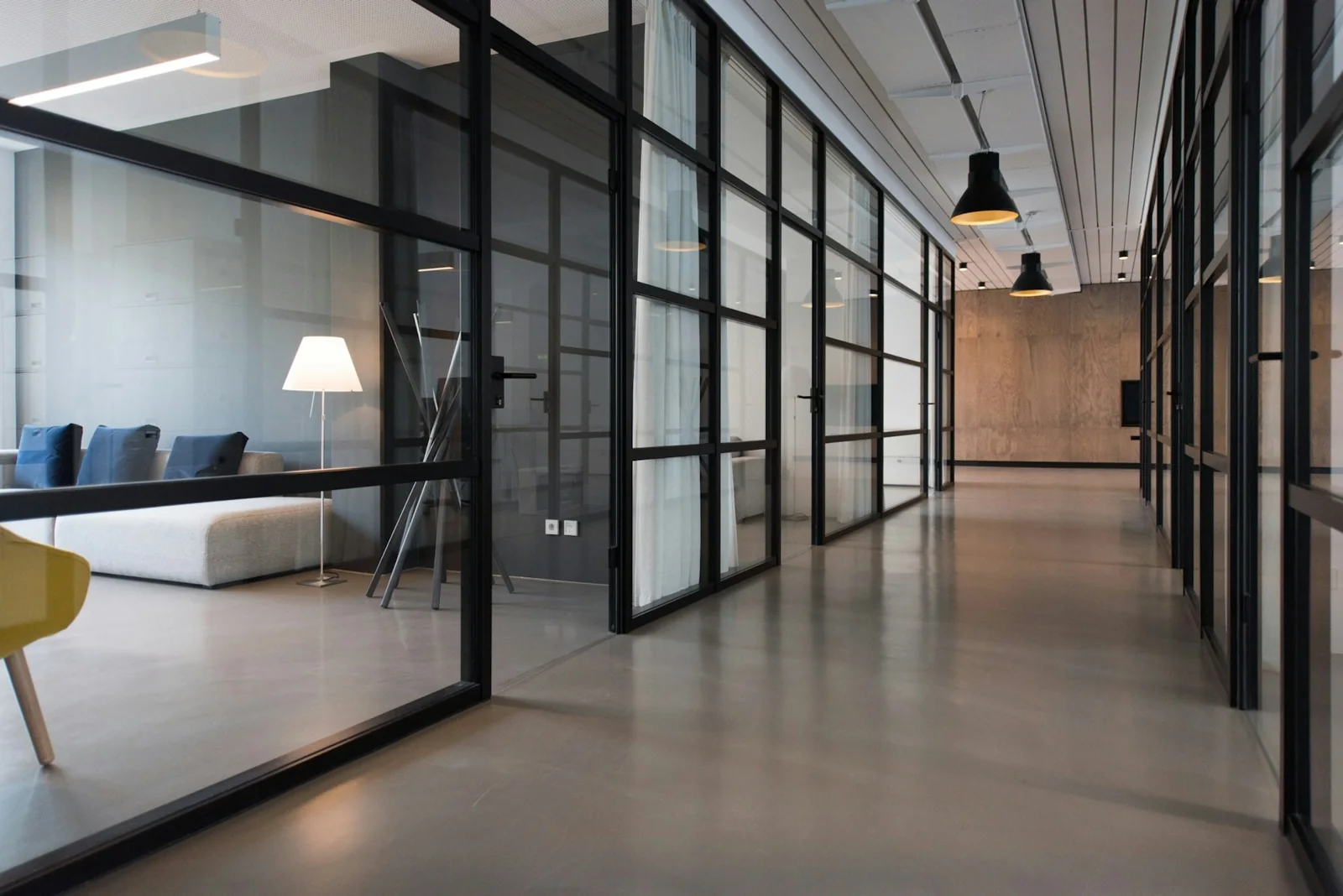
The short answer
Architectural window film can help with heat, glare, privacy, fading, and comfort.
But choosing the right film is not just about picking a shade from a sample book.
The glass itself matters.
Before recommending a film for a home or commercial building, we need to understand what type of glass is already installed, how the windows are built, how much sun they receive, and what problem the customer is actually trying to solve.
That is why a proper inspection comes first.
Glass and goals
Not All Glass Is the Same
Two windows can look identical and still be built very differently.
Depending on the property, the glass may be:
- Single pane
- Double pane
- Tempered
- Laminated
- Tinted from the factory
- Low-E glass
- Part of an insulated glass unit
Those differences can affect which films are appropriate.
A film that works well on one type of glass may not be the right choice for another.
The Direction of the Windows Matters
Sun exposure changes throughout the day.
A south-facing window may receive strong sun for a large part of the day.
An east-facing window may have more morning heat.
A west-facing window may become uncomfortable later in the afternoon.
That exposure affects how much heat and glare the customer experiences.
It also helps determine which film may make the most sense.
What Problem Are You Trying to Solve?
Different customers want different things from window film.
Some want less heat.
Others want more privacy.
Some want to reduce glare on televisions or computer screens.
Others are concerned about fading on floors, furniture, or merchandise.
Before recommending a film, we need to understand the main goal.
Common priorities include:
- Heat reduction
- Glare reduction
- Daytime privacy
- UV protection
- Fade reduction
- Improved comfort
- Appearance
- Energy efficiency
- A combination of several goals
The best film for privacy may not be the best choice for someone who wants maximum natural light.
Privacy Film Has Tradeoffs
Privacy is one of the most common requests.
It is also one of the most misunderstood.
Reflective and darker films can provide excellent daytime privacy under the right lighting conditions.
At night, those conditions can reverse.
If the interior is brightly lit and it is dark outside, people may still be able to see into the space.
That is why we explain the limitations before recommending a privacy film.
Window film can improve privacy, but the level of privacy depends on lighting and the film selected.
Heat Reduction Does Not Always Require a Dark Film
Many customers assume that darker film automatically means better heat rejection.
That is not always true.
Modern architectural films can reduce significant amounts of solar heat while still allowing a relatively clear appearance.
That can be especially useful in homes, offices, storefronts, and other spaces where natural light matters.
The right choice depends on how much visible change the customer is comfortable with.
Compatibility and setting
Glass Compatibility Matters
Window film changes how the glass interacts with solar energy.
That is one reason compatibility should be reviewed before installation.
The type of glass, the window construction, the film, and the amount of sun exposure all matter.
We do not want to recommend a product based only on appearance if it is not appropriate for the glass.
A proper evaluation helps reduce that risk.
Existing Damage Should Be Identified First
Before installing film, we also look at the condition of the glass.
That may include:
- Scratches
- Chips
- Cracks
- Failed seals
- Haze between panes
- Existing film
- Adhesive residue
- Glass defects
Film will not repair damaged glass.
If there is already a problem, it should be identified before installation so expectations are clear.
Existing Window Film Changes the Job
Some homes and commercial buildings already have film installed.
That may not always be obvious.
Old film may need to be removed before a new product can be installed.
Removal can also add labor depending on the condition and age of the existing material.
That is something we want to identify before quoting the project whenever possible.
Appearance Should Be Reviewed Too
Performance matters, but so does appearance.
Some films are almost clear.
Others have a more reflective look.
Some are darker.
Some have a dual-reflective appearance designed to look different from the inside and outside.
The film can change the appearance of the glass both from inside the building and from the exterior.
That should be part of the decision.
Residential and Commercial Projects Can Have Different Priorities
A homeowner may care most about comfort, glare, privacy, and preserving the look of the home.
A commercial customer may also need to consider:
- Employee comfort
- Customer privacy
- Storefront appearance
- Computer glare
- Merchandise fading
- Consistency across multiple windows
- Building-management requirements
The product recommendation may change depending on how the space is used.
Plan the consultation
Window Size and Access Matter
The physical installation also needs to be considered.
Large panes, tall windows, difficult access, furniture, shelving, equipment, and security systems can all affect the project.
That is another reason photos and site information are helpful before scheduling.
On larger or more complex projects, an on-site review may be the best way to confirm the details.
Practical Architectural Film Consultation Checklist
Before choosing a window film, we want to understand:
The Glass
- Is it single or double pane?
- Is it tempered or laminated?
- Does it have a Low-E coating?
- Is there existing tint or film?
- Are there cracks, chips, scratches, or failed seals?
The Location
- Which direction do the windows face?
- How much direct sun do they receive?
- Is there exterior shading?
- Are some rooms hotter than others?
The Goal
- Is heat reduction the main concern?
- Is glare the problem?
- Is daytime privacy important?
- Is fading a concern?
- Is appearance a priority?
- Do you want to keep as much natural light as possible?
The Space
- Is this a home or commercial property?
- Are the windows easy to access?
- Are there large panes or upper-level windows?
- Is furniture or equipment close to the glass?
The Appearance
- How dark are you comfortable going?
- Do you want a reflective look?
- Do you want the film to be as subtle as possible?
- Does exterior appearance matter?
Once those questions are answered, choosing the right film becomes much easier.
Why We Do Not Recommend Film Based on One Number
It is tempting to choose window film by looking at one specification.
That might be visible light, heat rejection, or reflectivity.
Those numbers are useful.
They are not the whole decision.
The film still needs to work with the glass, the building, the customer’s goals, and the desired appearance.
That is why we prefer to look at the full situation rather than simply recommending the darkest or highest-performing film on paper.
How We Approach Architectural Window Film at Kickin’ Customs
We start by understanding the property and the problem.
That may mean reviewing photos, measurements, glass information, sun exposure, and customer goals before recommending a product.
For larger or more complicated projects, we may need to inspect the glass in person.
The goal is to recommend a film that makes sense for the actual space.
Not just the one with the most impressive number on a brochure.
Final Thoughts
Architectural window film can make a noticeable difference in comfort, privacy, glare, and heat.
But the right product depends on more than personal preference.
The glass type, sun exposure, existing condition, building use, and desired appearance all matter.
That is why we inspect and ask questions before recommending a film.
The better we understand the glass and the problem, the better the final result is likely to be.