The short answer
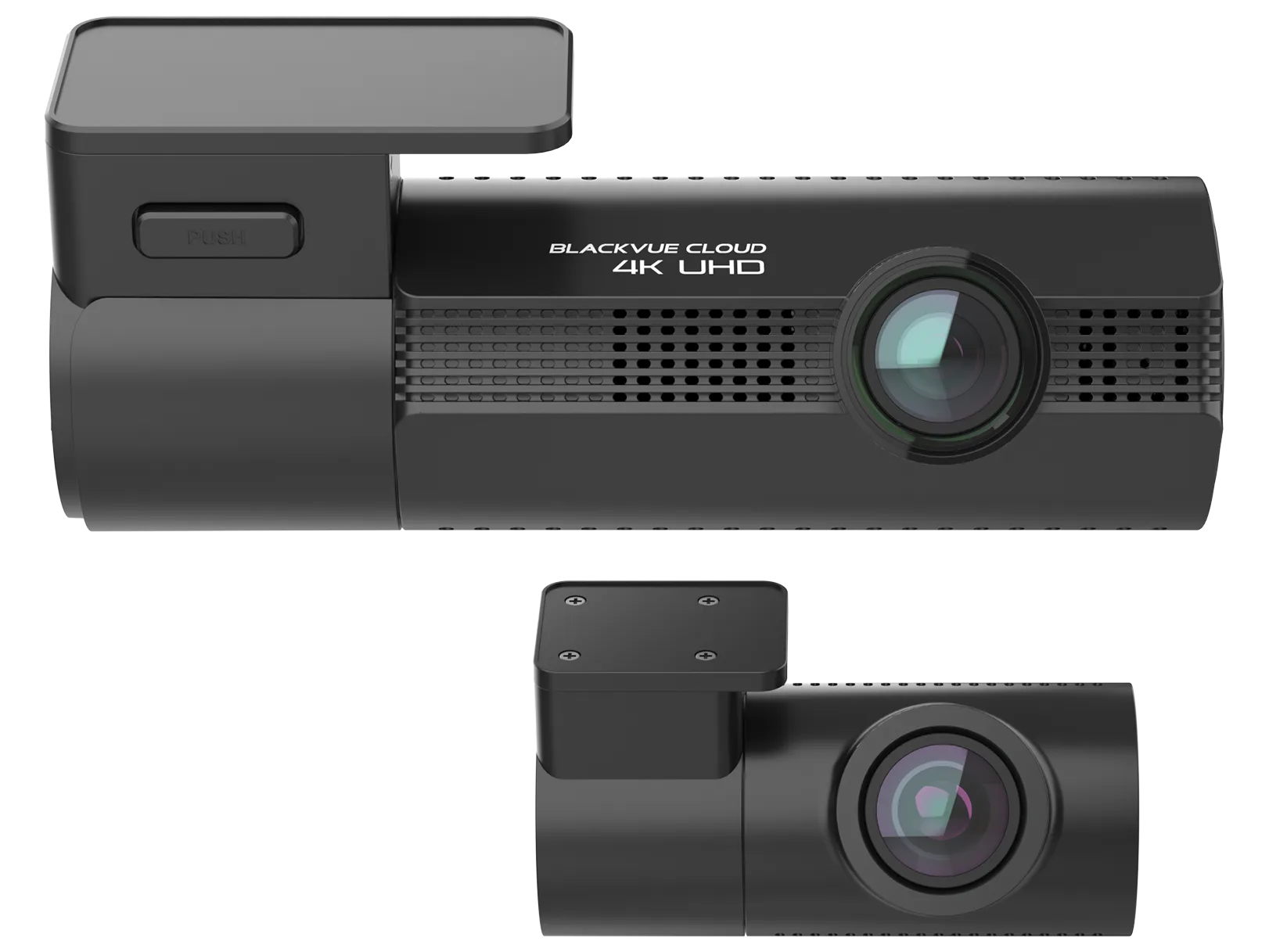
One of the biggest advantages of a modern dashcam is parking mode.
Instead of only recording while the vehicle is being driven, the camera can continue monitoring after the ignition is turned off.
That can be useful for:
- Parking lot damage
- Hit-and-run incidents
- Vandalism
- Theft attempts
- Activity around the vehicle while it is unattended
The question is how the camera should be powered while the vehicle is parked.
In most installations, there are two main options:
Use the vehicle battery or add a dedicated dashcam battery pack.
Both can work well.
The better choice depends on how the vehicle is used and how much parking coverage the owner expects.
Vehicle battery power
How Parking Mode Works
A properly installed dashcam can recognize when the vehicle has been shut off and switch into a parking-monitoring mode.
Depending on the camera, it may use features such as:
- Motion detection
- Impact detection
- Low-power recording
- Time-lapse recording
- Buffered recording
The camera still needs power to do that.
That power has to come from somewhere after the vehicle is turned off.
Option 1: Powering the Dashcam From the Vehicle Battery
One common method is to hardwire the camera into the vehicle.
That allows the dashcam to receive power after the ignition is turned off.
A properly configured system can use low-voltage protection so the camera shuts down before the vehicle battery is drawn down too far.
For many drivers, this setup works well.
Advantages of Using the Vehicle Battery
The biggest advantage is simplicity.
There is no separate battery pack to purchase or install.
For customers who:
- Drive the vehicle regularly
- Park for shorter periods
- Do not need extremely long parking coverage
- Want a simpler installation
vehicle-battery power may be completely reasonable.
What Are the Limitations?
The main limitation is available battery capacity.
The dashcam is sharing power with the rest of the vehicle.
If the vehicle sits for a long time, the system may eventually shut the camera down to protect the battery.
That means parking coverage can vary depending on:
- Battery condition
- Vehicle type
- Temperature
- Camera settings
- Number of cameras
- How often the vehicle is driven
There is no single parking-mode runtime that applies to every vehicle.
What Is Low-Voltage Protection?
Low-voltage protection is designed to keep the dashcam from continuously drawing power from the vehicle battery.
Once the battery reaches a set threshold, the system shuts the dashcam down.
That helps preserve enough battery capacity for the vehicle itself.
It is an important feature when a dashcam is powered directly from the vehicle.
Parking mode should not come at the expense of being able to start the vehicle.
Dedicated battery packs
Option 2: Using a Dedicated Dashcam Battery Pack
A dedicated battery pack changes the setup.
Instead of relying primarily on the vehicle battery while parked, the dashcam uses a separate battery designed for parking-mode operation.
The battery pack charges while the vehicle is running.
Once the vehicle is shut off, the dashcam can draw from that stored power.
Why Choose a Dedicated Battery?
The main advantage is isolation from the vehicle battery.
The dashcam can operate in parking mode without putting the same demand on the vehicle’s starting battery.
That can be especially useful for customers who:
- Park for longer periods
- Want more parking-mode runtime
- Drive a vehicle with sensitive electrical systems
- Want to minimize accessory draw while parked
- Use multi-camera systems
- Depend heavily on parking-mode recording
Does a Battery Pack Give Unlimited Parking Coverage?
No.
A dedicated battery still has a limited capacity.
Eventually it will need to recharge.
Parking-mode runtime depends on things such as:
- Battery size
- Dashcam model
- Number of cameras
- Recording mode
- Temperature
- How long the vehicle was driven before parking
A battery pack can extend parking coverage, but it does not provide endless recording.
Driving Habits Matter
This is one of the most important things to consider.
A dashcam battery pack needs time to recharge while the vehicle is being driven.
If someone drives for an hour every day, the charging situation is very different from someone who makes short five-minute trips.
If the vehicle is rarely driven, even a large battery pack eventually runs out of stored power.
That is why we look at the customer’s actual driving habits before recommending a setup.
Short-Term Parking vs. Long-Term Parking
For someone who parks at work for several hours and drives daily, vehicle-battery power may be enough.
For someone who leaves a vehicle parked overnight, at an airport, or for extended periods, a dedicated battery may make more sense.
The longer the expected parking period, the more important power planning becomes.
Multi-Camera Systems Use More Power
A front-only camera does not use the same amount of power as a more advanced system.
A setup may include:
- Front camera
- Rear camera
- Interior camera
- LTE connectivity
- Cloud features
More equipment generally means more power consumption.
That can make a dedicated battery pack more useful.
Choose your power setup
What About LTE and Cloud Features?
Some dashcams can provide remote alerts, location information, or cloud access when paired with compatible connected hardware and service.
Those features can also increase power demand while the vehicle is parked.
If remote connectivity is an important part of the system, battery capacity should be part of the conversation from the beginning.
Is One Option Safer for the Vehicle?
Both can be installed properly.
The key is using the correct hardware, wiring, and power-management settings for the vehicle.
A hardwired system should have appropriate battery protection.
A dedicated battery should also be installed and charged correctly.
The best setup depends on the vehicle and the customer’s expectations.
Practical Comparison
Vehicle Battery Power
Best for:
- Regularly driven vehicles
- Shorter parking periods
- Customers who want a simpler setup
- Drivers who do not need maximum parking runtime
Advantages:
- Lower equipment cost
- Simpler installation
- No separate battery pack
Things to understand:
- Parking time can vary
- The camera may shut down to protect the battery
- Battery condition matters
Dedicated Dashcam Battery
Best for:
- Longer parking periods
- Multi-camera systems
- Customers who rely heavily on parking mode
- Owners who want to reduce draw from the vehicle battery
Advantages:
- More dedicated parking-mode power
- Less reliance on the starting battery
- Better suited for extended monitoring
Things to understand:
- Additional cost
- Requires installation space
- Needs driving time to recharge
- Runtime is still limited
Which Setup Do We Recommend?
There is no single answer.
If someone drives every day and mainly wants coverage while parked at work or running errands, vehicle-battery power may be enough.
If someone wants longer overnight coverage, uses multiple cameras, or wants connected features active while parked, a dedicated battery becomes much more attractive.
The right answer depends on how the vehicle is actually used.
How We Handle Dashcam Power at Kickin’ Customs
We do not recommend a power setup based only on the camera.
We also look at:
- The vehicle
- Driving habits
- Typical parking duration
- Camera configuration
- Parking-mode expectations
- Connected features
- Budget
That gives us a better chance of building a system that behaves the way the customer expects.
Final Thoughts
Parking mode is only useful if the dashcam has enough power to stay active when you need it.
Using the vehicle battery can be a practical and cost-effective solution for many drivers.
A dedicated battery pack can provide longer coverage and reduce reliance on the vehicle’s starting battery.
Neither option is automatically better.
The right choice depends on how long the vehicle sits, how often it is driven, and how important parking-mode recording is to the owner.